Data Center Fast Five | Arsh Gill

By Nathan Gordon
04 Mar 2026
4 min read
In our Data Center Fast Five: Construction Edition series, Nathan Gordon, Principal Consultant, Data Center Construction at Harper Harrison, sits down with industry leaders to share practical insights from across the data center construction market.
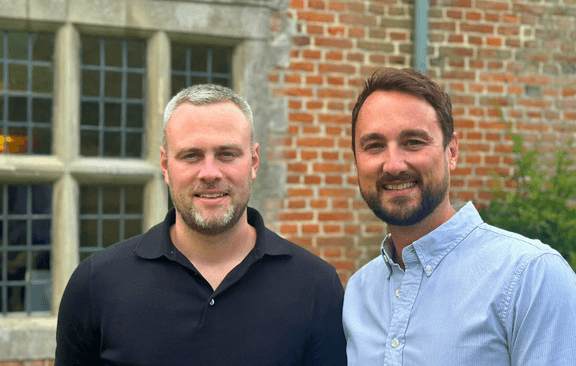
Arsh Gill, Senior Design Program Manager at EdgeCore, brings over seven years of experience in the data center sector, having transitioned into the industry through electrical project management. Today, he plays a key role in delivering high-density, large-scale developments, focusing on efficiency, design optimisation, and the evolving power landscape.
We sat down with Arsh for a quick-fire interview to discuss designing for greater capacity with smaller footprints, staying agile in a rapidly evolving technology environment, and how the industry should tackle long-term power constraints as AI-driven demand continues to accelerate.
When did you start building Data Centers, and how did you get into the industry?
I got into the data center industry about seven years ago when I was working as a project manager with an electrical subcontractor. I was assigned to one of their projects here in Phoenix, and that’s how I was first introduced to the data center industry. The transition happened naturally through that project management role on the electrical side of construction.
What’s one lesson learned from a data center project that you now apply to every job?
The biggest lesson I’ve learned is that technology is always changing, so you need to be ready and nimble for those changes. I always make sure to bring in the right resources from both engineering and construction standpoints so we can vet changes and deploy them faster than others in the industry. The key is making sure we provide our customers what they need while keeping our experts happy. I focus on looking at all possible scenarios and staying nimble so we can deploy changes faster than our competitors or whoever else is out in the market.
Do you think there’ll be an AI and Data Center bubble?
I think the demand will be consistent for at least the next decade because the more AI we use, the more data storage we need. I do think at some point in the next decade, as our server racks become more capable and can store more information while running searches faster and getting more compact, we might need less physical footprint. Until we catch up to that technological advancement, there’s still going to be consistent or even more need for the next decade. After that, I expect there will be a huge push for retrofitting older facilities and utilizing existing facilities to bring them up to bigger capacity.
What is your favorite Data Center project and why?
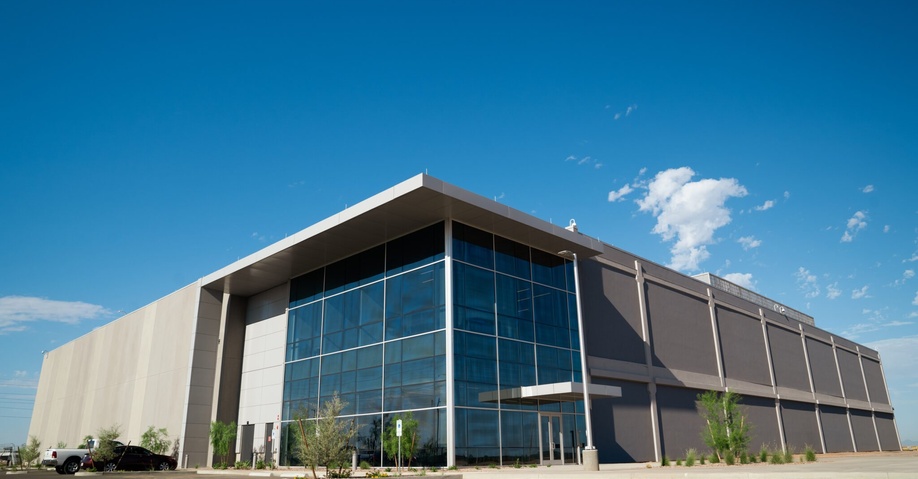
I really like the project I’m on right now because we’re building a very dense design - essentially a 108 megawatt building that’s three stories tall with a lot of infrastructure going in. We’re not using as much footprint compared to the massive data centers I see in this neighborhood that have smaller capacity. Our capacity is much bigger - about three times the capacity while our footprint is one third the size, which excites me about how we’re doing things more efficiently. What really makes this project great is the team we have - they’re very capable and the mood is excellent.
How do you think the struggle for power should be tackled in the industry?
We need to look past our traditional means of electricity production like coal or water and explore cleaner alternatives. There’s a lot of research happening around small modular reactors, and some cities or jurisdictions are allowing gas turbine engines to power temporarily, though that’s not a long-term approach because it’s not good for the environment. I think we need to focus on cleaner power sources and look at modular reactors that can be deployed in remote areas wherever needed. I believe we’ll start seeing small modular nuclear reactors become more mainstream in the next five to seven years, and developers are already bringing nuclear engineering in-house and investing in defunct nuclear plants to bring them back up to speed.
This instalment forms part of our Data Center Fast Five: Construction Edition series, where we continue to speak with leaders shaping the future of data center construction.
Follow Harper Harrison on LinkedIn to catch upcoming interviews and industry insights as the series continues.
Get in touch to explore the opportunities available across the data center construction market.