Data Centre Fast Five | Peter Sorrentino

By Nathan Gordon
02 Feb 2026
4 min read
In our new Data Center Fast Five: Construction Edition series, Nathan Gordon, Principal Consultant, Data Center Construction at Harper Harrison, sits down with industry leaders to share practical insights from across the data center construction market.
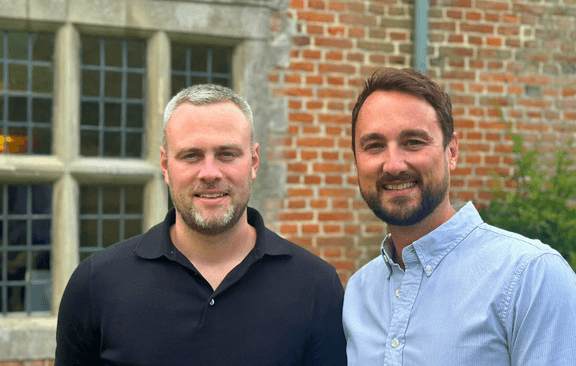
Peter Sorrentino, Vice President at Related Digital is a seasoned data center construction professional with over 20 years of experience in the built environment. Currently, he is overseeing the delivery of more than 1GW of data center capacity for Related Digital, working across complex, mission-critical projects at scale.
We sat down with Peter for a quick-fire interview to talk career pathways, lessons learned on site, and how the industry can tackle its growing talent shortage.
When did you start building Data Centers, and how did you get into the industry?
I started building data centers about 10 years ago, but my involvement with data center work actually goes back about 15 years. I was working at Intel at the time, where I was doing data center work inside Intel facilities, but as an Intel employee. Intel went through a wave of layoffs and restructuring during that period, and I was approached by a data center general contractor to come work for them. That’s when I started my career in data center-specific development on the GC side.
What advice would you give construction managers looking to transition into the market?
The biggest thing I would say is not to expect the same approach if you’re coming from medical industry or commercial construction. The data center industry is extremely technical from the MEP (mechanical, electrical, plumbing) side of things, and the schedules are extremely tight. The tolerance for low quality or missing dates is very low, so you have to really understand those demanding aspects going into it. It’s much more demanding than medical, pharmaceutical, or commercial construction, especially when it comes to quality, commissioning, and schedule adherence.
What’s one lesson learned from a data center project that you now apply to every job?
Schedule is the big one - really learning scheduling and the ins and outs of P6, which is the main scheduling tool used by all hyperscalers and developers. You need to understand the flow, the logic tied to it, what ties need to be properly connected in the schedule, and really live that job inside of that schedule. With the advent of AI, many hyperscalers like AWS, Microsoft, and Google are now demanding resource loading in those schedules, which means putting SOVs (schedule of values) right into the schedule with crew sizes and ramp plans. A lot of people come into the industry without that P6 experience - they might be able to read it, but they don’t understand the logic ties, resource loading, and SOV integration.
What is your favorite phase of a Data Center project and why?
My favorite time is really getting into commissioning, once we get to a point where the building is closed in and the major MEP work is done. We’re getting into the technical aspect of making sure systems are operating the way they need to operate, and then getting into IST testing, which can take upwards of 12 hours or longer if you run into problems. It’s really that phase where it takes an experienced data center manager to work through problems and make decisions about whether to continue testing or reschedule. That commissioning phase is where you see everything come together, and it kicks off the point where we’re getting ready to deliver that data hall to the client.
How do you think the industry should tackle the talent shortage in data center construction?
The first thing is really outreach, but I think we have a problem because we’re always going to universities and colleges, and these aren’t people looking to become electricians, pipefitters, or sheet metal workers. We need to attack the shortage at the high school level, reaching kids who are on the fence about college and showing them there’s an option where they can start making $18-25 an hour right out of high school with earning potential up to $200k annually. The leadership of companies needs to get out to local and federal politicians to bring back trade programs and provide incentives for trade school attendance. We also need to do a better job reaching out to local communities and explaining what we do, addressing misconceptions about rising electrical rates and water usage, when 90% of data centers use closed loop systems that only require 5-10% water addition annually.
This is the first instalment of our Data Center Fast Five: Construction Edition series, where we speak with leaders shaping the future of data center construction.
Follow Harper Harrison on LinkedIn and visit our website to catch future interviews as the series continues.
Get in touch to explore the opportunities available across the data center construction market.